The vacuum degassing mixer is a piece of equipment widely used in sectors such as pharmaceuticals and the chemical industry, playing a crucial role in production operations. Routine care and maintenance are essential to ensure the equipment functions correctly and to extend its service life.
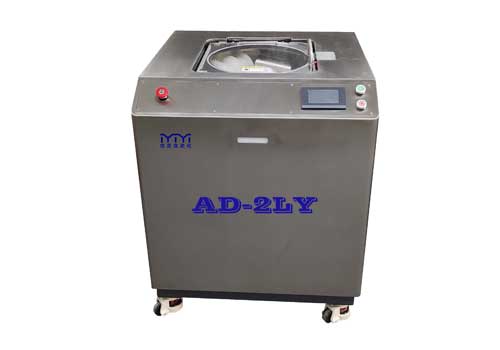
The following outlines key aspects of the daily care and maintenance of vacuum degassing mixers:
1. Replacing Consumables
Common consumables for vacuum degassing mixers include agitators, sealing rings, filter screens, and lubricants. These items require regular replacement to ensure the equipment operates properly. The timing and frequency of replacement generally depend on usage patterns and the production environment.
2. Keeping the Equipment Clean
Maintaining equipment cleanliness is vital. The cleaning process involves washing components such as the mixing tank and piping. Any dirt or deposits on the equipment's surface should be removed using appropriate cleaning agents and tools. The interior of the tank also requires cleaning and disinfection to prevent the growth of bacteria and other microorganisms.
3. Regular Maintenance
Routine maintenance helps extend the equipment's service life. Generally, this includes internal cleaning, lubrication, and parts replacement. The schedule and frequency of maintenance depend on usage and the production environment.
4. Prompt Repair
Any issues with the equipment should be addressed promptly through repairs. This prevents malfunctions from escalating and minimizes the impact on production. Furthermore, timely repairs prevent further damage and prolong the equipment's lifespan.
5. Equipment Inspection
Regular inspections are necessary to ensure all components are functioning correctly. The inspection process covers various areas, including electrical systems, mechanical parts, and piping. Any identified issues require immediate repair or component replacement.
6. Scheduled Maintenance During Downtime
To prevent operational failures during production, scheduled maintenance should be performed while the machine is shut down. This includes comprehensive equipment inspections, replacement of consumables, lubrication of components, and cleaning. Efforts should be made to minimize production losses when scheduling this maintenance.
In summary, routine maintenance of the vacuum degassing mixer is crucial for ensuring proper operation and extending the equipment's service life. Key practices include keeping the equipment clean, replacing consumables, and performing both regular and scheduled downtime maintenance and timely repairs. Furthermore, using appropriate equipment and tools during the maintenance process is essential to ensure the quality of the work performed.